RAPIDO TRAINS 110089 Canadian Pacific Caboose Highly Detaled Scale Leds Interior Ho
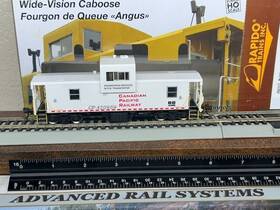
( Brand: Rapido Trains ), ( Manufacturer Part Number: 110089 ), ( Country Of Origin: China ), ( Assembly Status: Ready To Go/pre-built ), ( Color: Multicolor ), ( Replica Of: Wide Vision Caboose ), ( Material: Plastic ), ( Grade: C-10 Mint-brand New ), ( Year Manufactured: 2012 ), ( Age Level: 17 Years Up ), ( Control System: Dc / Dcc ), ( Franchise: Highly Detailed ), ( Gauge: Ho ), ( Vintage: Yes ), ( Type: Caboose ), ( Rail System: Two-rail System ), ( Corporate Roadname: Canadian Pacific ), ( Theme: Railroading ), ( Features: Light Function, Limited Edition, Painted, Highly Detailed Interior, Highly Detailed Undercarriage, See-thru Etched Platforms, Lighted Marker Lights )
Review RAPIDO TRAINS Canadian Pacific Wide Caboose Inch Highly Detaled Interior And Leds Ho Scale New
The Rapido Trains 110089 Canadian Pacific Caboose is a highly detailed and authentic HO scale model train accessory, perfect for adding authenticity to your HO scale model railroad layout. This caboose replica is based on the Canadian Pacific Railway's CP 15176 caboose, which was in service from 1961 to 1987.
The exterior of this HO scale model caboose is meticulously crafted, featuring accurately painted CP livery, intricately detailed brake gear, and authentic roof walkways with grab irons and ladder rungs. The caboose body is constructed from high-quality injection-molded plastic, ensuring durability and long-lasting performance.
One of the most notable features of this HO scale model caboose is its highly detailed interior. The interior is designed to accurately replicate the interior of a real CP caboose, with detailed workbenches, shelves, and a functioning hand brake system. The interior is also equipped with LED lights, adding an extra layer of realism and illumination to your model railroad layout.
Additionally, this HO scale caboose comes with operating couplers, allowing it to be easily connected to other train cars in your collection. The wheels are also equipped with RP25-1 coding, ensuring smooth and reliable operation on most HO scale model railroad tracks.
Overall, the Rapido Trains 110089 Canadian Pacific Caboose is a must-have accessory for any HO scale model railroad layout featuring Canadian Pacific trains. Its high level of detail, accurate livery, and functioning LED interior lights add authenticity and realism to your model railroad layout, making it a valuable addition to any collection.
The Rapido Trains 110089 Canadian Pacific (CP) Caboose in HO scale is a highly detailed model that comes with several notable features. Here are some pros and cons to help you make an informed decision about purchasing this product:
Pros:1. High Level of Detail: This model features a highly detailed interior with accurate and authentic features such as CP logos, brake rigging, and detailed flooring. The exterior is also intricately designed with accurate body paint and lettering, making it a great addition to any HO scale railroad collection.
2. LED Lighting: The Rapido Trains 110089 caboose comes with individually switchable LED lights, which provide a more realistic and accurate representation of the functioning lights on a real caboose.
3. HO Scale Proportions: The model is built to HO scale proportions, ensuring that it fits in with other HO scale models and can be easily integrated into a larger railroad layout.
4. Authentic Sounds: This model also comes with authentic caboose sounds, adding to the overall realism and immersion of the model.
5. Quality Construction: Rapido Trains are known for their high-quality construction and attention to detail, and this caboose is no exception. It is made from heavy-duty materials and features finely molded parts, ensuring that it can withstand the rigors of regular use and handling.
Cons:1. Price: The Rapido Trains 110089 CP Caboose is a high-end model, and as such, it comes with a higher price tag than some other HO scale cabooses on the market.
2. Complexity: With all of its features, this model may be more complex to assemble and operate than some other HO scale models.
3. Size: Due to its high level of detail and accuracy, this model may be larger than some other HO scale cabooses on the market, which could impact its compatibility with certain layouts or storage solutions.
Conclusion:The Rapido Trains 110089 Canadian Pacific Caboose is a high-quality, highly detailed HO scale model that is sure to impress railroad enthusiasts and collectors. Its LED lighting, authentic sounds, and accurate detailing make it a standout model in any collection. However, its higher price tag and larger size may be a deterrent for some potential buyers. Ultimately, whether or not this model is worth the investment depends on your personal preferences, budget, and collection goals. If you are looking for an authentic and immersive HO scale railroad experience, this caboose is definitely worth considering. If you are on a tighter budget or have limited space on your layout, you may want to consider a less expensive or smaller model instead.
Details:
Rapido Trains is a Canadian manufacturer of North American HO and N Scale model Trains. Manufacturer Background Information. Low-friction, nonmagnetic, needlepoint metal axles, no lubrication required. These lights were officially what made a train, and originally lit with oil lamps.
Out-Of-Production. The item is NEW in the original box from old stock. Lighted Assembled. All the printing is crisp and straight.
Railroads proposed the end-of-train device EOT or ETD, commonly called a FRED flashing rear-end device, as an alternative. For longer trips, the caboose provided minimal living quarters, and was frequently personalized decorated with pictures posters. Many of these unique items are from my personal inventory which was accumulated over the years. Technology eventually advanced to a point where the railroads, in an effort save money by reducing crew members, stated that cabooses were unnecessary.
CSX Transportation is one of the few Class 1 railroads that still maintains a fleet modified cabooses for regular use. The conductor kept records and handled business from a table or desk in the caboose. The railroads also claimed a caboose was dangerous place, as slack run-ins could hurl the crew from their places and even dislodge weighty equipment. With the introduction of ETD, conductor moved up to front train with engineer.
Ready-To-Run. Use of cabooses began in the 1830s, when railroads housed trainmen shanties built onto boxcars or flatcars. Originally flatcars fitted with cabins or modified box cars, they later became purpose-built, projections above to the sides of car allow crew observe train. With this exception aside, year by year, cabooses started to fade away.
Super Detailed Underbid Piping Runs. Very few cabooses remain in operation today, though they are still used for some local Trains where it is convenient to have a brakeman at the end of train operate switches, on long reverse movements, and also carrying hazardous materials. New diesel locomotives had large cabs that could house entire crews. A caboose was fitted with red lights called markers to enable the rear of train be seen at night.
Most of these items are New in the box removed only to take photos them. Comes with INTERIOR DETAILING / LIGHTS MARKER. Cupola seating detailing. Now rare, the old stoves can be identified by several essential features.
A major purpose of the caboose was for observing problems at rear train before they caused trouble. Linseed defect detectors and end-of-train devices eliminated much of this need. Factory - Installed Hand Rails. The HIGHLY DETAILED Version.
Distant dispatchers controlled switches, eliminating the need to manually throw switches after Trains had passed. End Marker Lighting. SEE-THRU Etched end platforms Steps. Early cabooses were nothing more than flat cars with small cabins erected on them, or modified box.
The caboose provided the train crew with a shelter at rear of. They also had a double-latching door, to prevent accidental discharge of hot coals caused by the rocking motion caboose. Cabooses provide shelter for crew at the end of a train, who were formerly required in switching and shunting, keeping lookout load shifting, damage to equipment cargo, overheating axles. They were without legs, bolted directly to the floor, and featured a lip on top surface keep pans coffee pots from sliding off.
Interior lighting. Tradition on many lines held that the caboose should be painted a bright red, though it eventually became practice to paint them in same corporate colors as locomotives. Detailed truck side frames. THIS IS NEW item in the ORIGINAL Box.
Crisp detailed, realistic lettering, matched to prototype photographs. The machines also have blinking red lights to warn following Trains that a train is ahead. Prototype History. Transacting Yard Wide-Vision Caboose.
Scaled Dimensions Rivet Detail. Rock Island created some of these by rebuilding standard cupola cabooses with windowed extensions applied to the sides itself, but far, greatest number have entire compartment. CAR FEATURES: The HO car is built primarily of plastic and features an exceptional amount separately applied parts, including a fully detailed underbid. A 1982 Presidential Emergency Board convened under the Railway Labor Act directed USA railroads to begin eliminating caboose cars where possible do so.
DISCONTINUED By the Manufacturer. They also inspected the train for problems such as shifting loads, broken or dragging equipment, and hot boxes overheated axle bearings, a serious fire derailment threat. Realistic satin paint finish, great for weathering. Better designed cars avoided problems with the loads which helped as well.
The expanded cupola allowed the crew to see past top of taller cars that began appear after World War II, and also increased roominess area. They are hard to part with but due downsizing in retirement they tare looking for a good home which can appreciate and enjoy them. Complete End, Roof Underbid Detailing. Accurately scaled from engineering drawings.
Theres sharp color separation between the stripes, and all warning stencils match prototype photos. The standard form of the American caboose had a platform at either end with curved grab rails to facilitate train crew members' ascent onto moving. The caboose also served as the conductors office, and on long routes, included sleeping accommodations cooking facilities. This has led to the phrase bringing up markers describe last car on a train.
Safety rail inside cupola. The crew could exit the train for switching or to protect rear of when stopped. Coal or wood was originally used to fire a cast-iron stove for heat and cooking, later giving way kerosene heater. THIS IS AN ASSEMBLED Item.
Highly Detailed interior. The addition of the cupola, a lookout post atop car, was introduced in 1863. Improved signaling eliminated the need to protect rear of a stopped train. Sliding open / close cupola windows.
Scale set-back windows. In the extended-vision or wide-vision caboose, sides of cupola project beyond side car body.
part #: 110089 price
- $199.95
specifications mthoscaletraingi:
- brand: Rapido Trains
- mpn: 110089
- country of origin: China
- assembly status: Ready To Go/pre-built
- color: Multicolor
- replica of: Wide Vision Caboose
- material: Plastic
- grade: C-10 Mint-brand New
- year manufactured: 2012
- age level: 17 Years Up
- control system: Dc / Dcc
- franchise: Highly Detailed
- gauge: Ho
- vintage: Yes
- type: Caboose
- rail system: Two-rail System
- corporate roadname: Canadian Pacific
- theme: Railroading
- features: Light Function, Limited Edition, Painted, Highly Detailed Interior, Highly Detailed Undercarriage, See-thru Etched Platforms, Lighted Marker Lights
returns mthoscaletraingi:
- policy: Returns Accepted
- paid by: Seller
- time: 30 Days
- method: Money back
shipping mthoscaletraingi:
- service: USPS Ground Advantage, USPS Priority Mail
- type: Calculated
- transit: 5-11 Days
- class: Standard, Expedited
- carrier: USPS
- cost: $16.00
payments mthoscaletraingi:
- other
- credit card: Discover
- wallet: Apple-pay
offer mthoscaletraingi:
- quantity: 1
- started: January 1, 2026
- sold: 0
- options: Ship-to-home
- availability: In Stock
seller mthoscaletraingi:
- # reviews: 16002
- city: Van, Texas
- rating: 99.8%
general mthoscaletraingi:
- model Railroads Trains > Railroads Trains > Freight Cars
- condition: New
Rapido Trains 110089 Is Similar To:
- 138003a Rapido Trains Ho Pennsylvania Era Flat Car 679164068203 (22.4% similar) Manufacturer: Rapido Trains. Model number: 138003A. Msrp: 49.95. Scale/era: ho modern. The Rapido Trains 138003A is in new condition...(December 20th, 2021)
- 138009 Rapido Trains Ho Ttx Tofc Flat Car Set (25% similar) This is a Rapido Trains 138009 ho TRX F30D 50 toff flat car set of features: die-cast chassis and deck for optimum weight. Correct trucks Parr 2E-F10, roller bearing converted or full roller bearing trucks. Turned metal wheels. Jade #158 semi-scale couplets. Full brake rigging. Separate grab irons. ...(December 22nd, 2021)
- 127015 Rapido Nsc Cylindrical Covered Hopper Canadian Pacific (32.1% similar) Rapido Trains inc. The RDC-1 contained coach seating only. The RDC-2 was a combination coach-baggage. The RDC-9 was a trailing coach unit with no cab and only one motor. And the RDC-4 was a shorty rpo/baggage only. The Rapido 127015 is in new condition...(January 1st, 2022)
- 138005a Rapido Trains Ho Conrail Maintenance Of Way Flat Car (25.1% similar) Manufacturer: Rapido Trains. Model number: 138005A. Msrp: 49.95. The Rapido Trains 138005A is in new condition...(February 2nd, 2022)
- 137002 Rapido Trains Ho Southern Pacific Boxcar Set Of (37.3% similar) This is a Rapido Trains 137002 ho southern pacific PC f B100-40 boxcar set of features: separately applied metal grab irons and cut levers, detailed hydra-cushion under frame, full underbid brake rigging, scale sized draft gear, genuine jade #158 whisker couplets, newly tooled trucks with turned ...(May 20th, 2022)
- Rapido Trains 139005a Ho Conrail Small Logo Evans X72a Boxcar (31% similar) This is a Rapido Trains 139005A ho Conrail small logo Evans X72A boxcar. Includes a single car. Features: drawn from original blueprints and drawings, artworks sourced from original design drawings and photos, separate doorposts, door latches, and couplet cut levers, fully-detailed under frame ...(July 29th, 2022)
- Rapido 137001-6 Ho Pc f B100 Boxcar Southern Pacific Sp 656426 (29.4% similar) You are purchasing a Rapido 137001-6 ho PC f B100 boxcar southern pacific Sp #656426. The Rapido Trains ho scale PC f B-100-40 boxcar features introducing the all new Rapido ho scale pacific car foundry B-100-40 boxcar! the Rapido 137001-6 is in new condition...(September 27th, 2022)
- Rapido Trains 538010 N Inrd 2 000 000th Car Load Autoflood Iii Hopper 600480 Ln (37.4% similar) The original box is included. Economy shipping. Features: die-cast frame and floor for optimum car weight, full interior rivet k-member details, super-detailed end cages including separate air brake piping, barber S-2 100-TON trucks with metal wheels, hopper bays feature highly-detailed outlet gates...(September 30th, 2024)
- Rapido Trains 139002 Ho Penn Central Small Logo Evans X72 Boxcar 1 Pack Of 6 (26.1% similar) The original paint is in great shape, and each unit displays a like-new overall finish. These items appear to have been run sparingly, and display overall signs of very light previous use. Economy shipping. May be missing contents. The instruction manual is included. We'll do our absolute best to ...(October 4th, 2024)
- Rapido Trains 510041 N Soo White And Red Scheme Wide Vision Caboose 29 (38.9% similar) Manufacturer: Rapido Trains. Train product id: 12653013. Model number: 510041. Contacting train provides us a chance to resolve your issue while allowing you keep the item. We'll do our absolute best to make you happy...(December 9th, 2024)
- Rapido 50020-3 Ho 52ft6 Inch Mill Gondola Bc Rail Bcol 9085 British Columbia Railway (29.2% similar) Rapido ho 50020-3 52'6 mill gondola BC rail COL #9085 British Columbia railway, car rolls well. Lightly used no visible paint scratches. Car comes with extra name plates. Comes with original paperwork and manuals...(December 16th, 2024)